Service

Ground Mount Solar

Ground mounted solar power plants on open land for industries, farms, institutions and captive users in Gujarat.

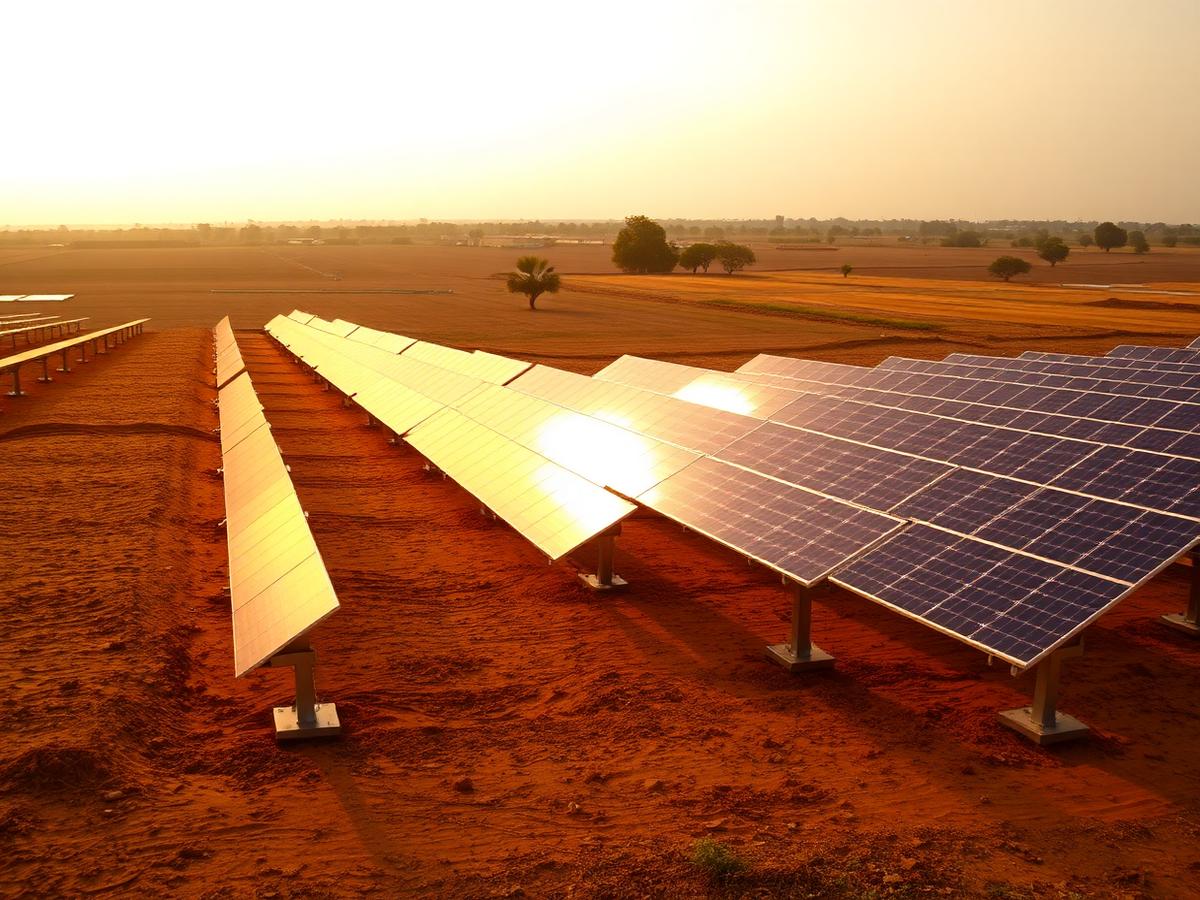
When roof area is limited or the required capacity is large, a ground mounted solar plant on open land is often the better answer. We handle land feasibility, module tilt optimisation, foundation design and evacuation planning so your ground mount solar system delivers dependable generation for decades.

01

Land feasibility

Plot dimensions, soil bearing capacity, flood risk, access and distance to the evacuation point are studied first.

02

Layout and tilt design

Row spacing and tilt optimised to avoid inter-row shading and maximise annual yield.

03

Civil and structural works

Foundations, module mounting structures, fencing, drainage and internal pathways executed to spec.

04

Evacuation and commissioning

Inverter yard, transformer interface where applicable, metering, testing and handover documentation.

When ground mount beats rooftop

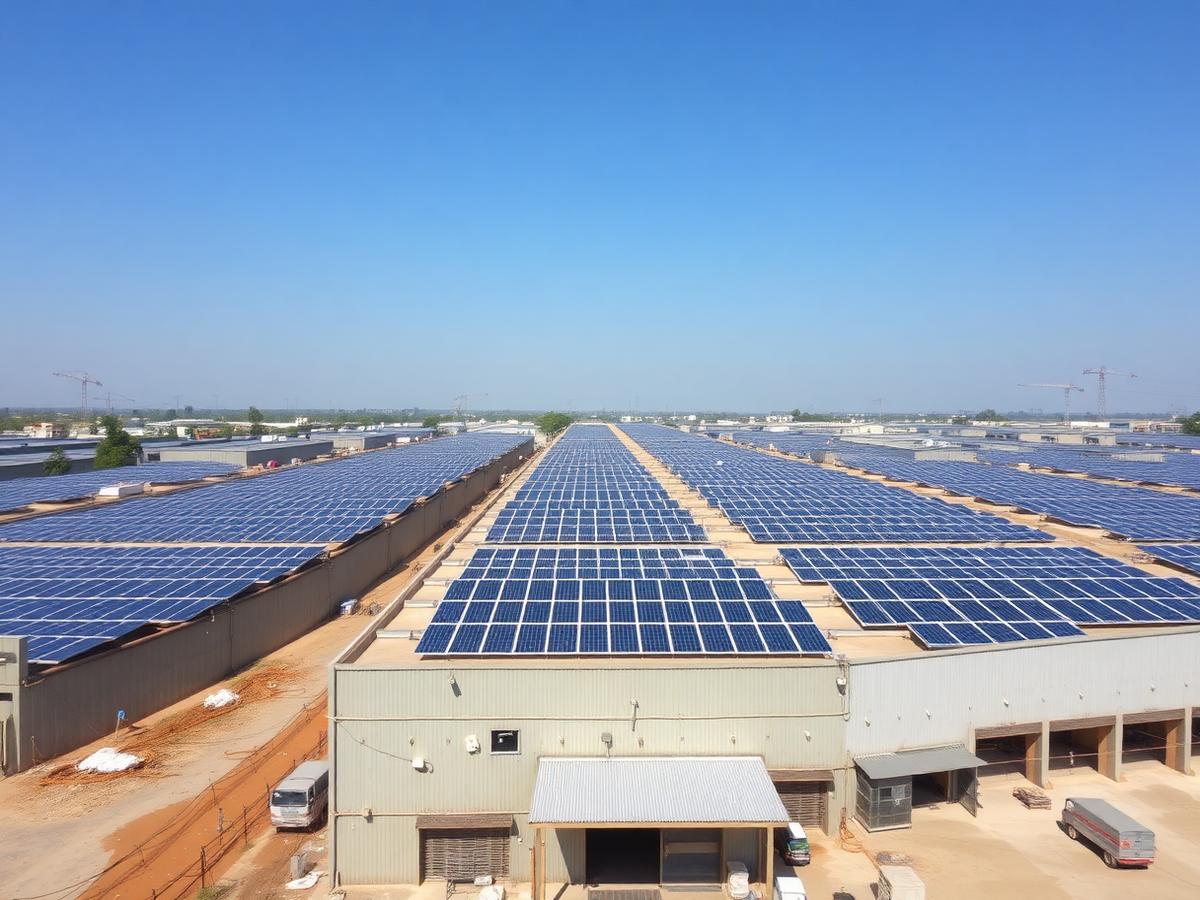
Ground mount makes sense when the required capacity exceeds available roof area, when the roof is unsuitable or ageing, or when a captive plant is being built for a separate consumption point. Open land also allows optimal tilt and orientation, which typically yields more per kW than a constrained rooftop.


Land feasibility comes first

We assess plot dimensions and shape, soil bearing capacity, water table and flood history, boundary shading, road access for cranes and material, and distance to the evacuation point. Land use classification and any approvals required for the plot are identified early, before design cost is incurred.

Tilt, row spacing and yield

For Gujarat's latitude we design fixed-tilt structures at an angle that balances annual yield with wind load and structure cost, and set row spacing to avoid inter-row shading through winter mornings — the period that decides whether a layout underperforms in practice.

Civil works and site protection

Scope covers pile or pedestal foundations sized to soil test results, hot-dip galvanised module mounting structures, inverter yard and control room, cable trenches, earthing grid, perimeter fencing, drainage and internal pathways for O&M access.

Evacuation, testing and handover

Inverter and transformer interface, metering arrangement, protection settings, string testing, thermography and performance verification are completed before handover, along with as-built drawings and O&M documentation.

Best suited for

  • Industries with adjacent open land
  • Captive and group-captive users
  • Farms and agricultural landholders
  • Institutions, trusts and campuses
  • Warehousing and logistics estates

Ground Mount Solar — common questions

How much land does a ground mount solar plant need?

As a planning figure, roughly 4–5 acres per MW for fixed-tilt layouts in Gujarat. Actual area depends on plot shape, tilt angle and row spacing.

Is a soil test necessary?

Yes for anything beyond a small plant. Foundation type and depth depend on soil bearing capacity and water table, and guessing here is the most common cause of structural rework.

Can solar be installed on agricultural land?

It depends on the land classification and the approvals applicable to your plot. We flag what needs to be checked with the local authority before design begins.

What people search for

  • ground mounted solar Gujarat
  • ground mount solar plant installation
  • solar power plant on open land
  • captive solar plant Gujarat
  • MW scale solar EPC Gujarat
  • agricultural land solar plant
  • solar farm installation company
Indrasan Solar — A World With Energy Independence

Ready to plan your solar system?

Talk to our team about your consumption, your roof and your goals. No obligation — just a clear assessment of what makes sense for you.